Easiest FIFA World Cup 2026 Host Cities to Travel Between
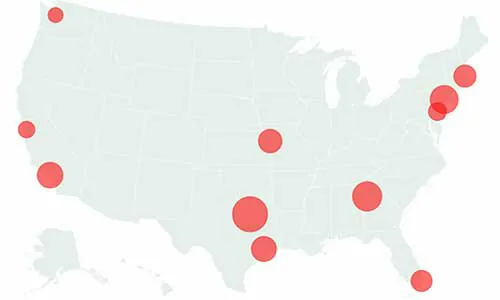
The FIFA World Cup 2026 is set to be the largest in history, spanning three countries: the United States, Canada, and Mexico. With 48 teams competing across 16 distinct host cities, fans planning to attend multiple matches face a monumental transit puzzle. Selecting the right base is essential for minimizing transit stress. Identifying the easiest FIFA World Cup 2026 host cities to travel between can make the difference between a seamless, memorable tournament and a logistics nightmare. This comprehensive guide breaks down the most practical geographic clusters, transit options, and travel times to help you optimize your tournament itinerary.
Table of Contents
- Understanding the FIFA 2026 Regional Clusters
- Why Finding the Easiest FIFA World Cup 2026 Host Cities to Travel Between Matters
- The Northeast Corridor: The Ultimate Travel Cluster
- The Pacific Northwest: Seattle and Vancouver Link
- The Southern Connection: Texas and Mexico Hubs
- Transit Comparison: Travel Times & Modes
- Pro Travel Tips for Navigating the 2026 World Cup
- Frequently Asked Questions
Understanding the FIFA 2026 Regional Clusters
To mitigate severe travel fatigue for players and fans, FIFA has divided the 16 host cities into three regional zones: East, Central, and West. Consequently, this division helps structure group-stage matches within localized geographic areas. Despite this regional grouping, the sheer scale of North American geography remains a challenge. For instance, flying from Vancouver in the West to Miami in the East takes over six hours of direct flight time.
Therefore, smart planning involves focusing on specific sub-clusters within these zones. By analyzing local infrastructure, rail networks, and flight corridors, we can identify the highly accessible city pairings. This allows supporters to attend multiple live games without spending half their budget on long-haul domestic flights.
Why Finding the Easiest FIFA World Cup 2026 Host Cities to Travel Between Matters
Planning travel for a tournament of this magnitude requires a balance between cost, time, and physical energy. Pinpointing the easiest FIFA World Cup 2026 host cities to travel between allows you to maximize your match-day experiences while keeping logistics simple. Choosing well-connected cities offers several key advantages:
- Reduced Travel Fatigue: Shorter journeys between matches mean more time spent enjoying fan zones and less time recovering from jet lag.
- Cost Efficiency: Multi-city flights during high-demand events are notoriously expensive. Relying on ground transport like trains or buses can save hundreds of dollars.
- Environmental Benefits: Opting for rail travel instead of short-haul flights significantly lowers the carbon footprint of your journey.
- Flexible Accommodation: Staying in a central hub and commuting to nearby host venues allows you to avoid peak hotel rates in primary match cities.
Moreover, highly connected metropolitan regions feature robust public transit systems within the city limits. This makes getting to the actual stadiums much simpler once you arrive.
The Northeast Corridor: The Ultimate Travel Cluster
When evaluating transit efficiency, the US Northeast Corridor stands out as the absolute winner. This region contains the densest concentration of host venues in North America. Specifically, the cluster consists of Boston (Gillette Stadium), New York/New Jersey (MetLife Stadium), and Philadelphia (Lincoln Financial Field). Toronto (BMO Field) is also a viable nearby addition by air or rail.
The Amtrak Advantage
Unlike most of North America, where driving or flying are the only realistic travel options, the Northeast is connected by Amtrak’s high-speed rail network. The Acela and Northeast Regional train lines link Boston, New York, and Philadelphia directly. This service runs multiple times per day, arriving directly in the city centers.
Additionally, traveling by train eliminates the time-consuming process of airport security, baggage checks, and remote airport transfers. For example, a train ride from midtown Manhattan to downtown Philadelphia takes just over an hour. This makes it possible to stay in one city and easily commute to a match in another on game day.
Driving and Bus Alternatives
For budget-conscious travelers, regional bus services like Greyhound, FlixBus, and Megabus operate frequently along Interstate 95. While highway traffic can be highly unpredictable on match days, buses represent a cheap alternative. Car rentals are also widely available, though parking at major stadiums in these cities is expensive and requires booking well in advance.
The Pacific Northwest: Seattle and Vancouver Link
For fans looking to experience games in both the United States and Canada, the Pacific Northwest cluster is highly appealing. Seattle (Lumen Field) and Vancouver (BC Place) are separated by just 140 miles (225 kilometers). This makes them some of the easiest FIFA World Cup 2026 host cities to travel between if you want an international experience.
Rail Travel via Amtrak Cascades
The Amtrak Cascades train route offers scenic, comfortable travel between downtown Seattle and downtown Vancouver. The journey takes approximately four hours and includes onboard amenities such as Wi-Fi and power outlets. However, passengers must clear customs and passport control at the border, so planning for potential delays is wise.
Driving and Border Crossing Considerations
Driving between Seattle and Vancouver via the Interstate 5 corridor takes roughly two and a half to three hours under normal traffic conditions. Nevertheless, the Peace Arch border crossing can experience significant delays during major events. Carpooling or booking organized regional shuttle buses can help reduce the hassle of navigating the international border on your own.
The Southern Connection: Texas and Mexico Hubs
Another interesting cluster is situated in the Central region, specifically linking the Texas cities of Dallas (AT&T Stadium) and Houston (NRG Stadium) with Monterrey (Estadio BBVA) in Mexico. While these cities are too far apart for easy daily train commutes, their proximity makes regional air and road travel highly viable.
The Texas Triangle
Dallas and Houston are separated by about 240 miles. Driving between the two takes roughly three and a half to four hours along Interstate 45. Frequent, short-haul commuter flights connect Dallas-Fort Worth (DFW) and Houston Intercontinental (IAH) or Hobby (HOU) airports in under an hour. This high flight frequency helps keep ticket prices relatively competitive, even during busy summer travel periods.
Connecting to Mexico
Monterrey is located just south of the Texas border. Direct flights from Houston or Dallas to Monterrey take roughly one hour and fifteen minutes. For adventurous fans, long-distance bus lines operate overnight services between Texas and northeastern Mexico, though flying remains the faster and more comfortable option for most international visitors.
Transit Comparison: Travel Times & Modes
To help you compare your transit options across these regional hubs, the table below outlines estimated travel times and recommended transport methods for the most efficient city pairings.
| City Route Pair | Primary Mode | Approx. Distance | Estimated Travel Time | Ease Level |
|---|---|---|---|---|
| New York to Philadelphia | Train (Amtrak) | 95 miles | 1 hr 15 mins | Very High |
| New York to Boston | Train (Amtrak) | 215 miles | 3 hrs 30 mins | High |
| Seattle to Vancouver | Train or Drive | 140 miles | 3 to 4 hours | Moderate (Border) |
| Dallas to Houston | Flight or Drive | 240 miles | 1 hr (Flight) / 4 hrs (Drive) | Moderate |
| Houston to Monterrey | Flight | 420 miles | 1 hr 15 mins | Moderate (International) |
As illustrated, the short distances in the US Northeast Corridor make it the most logical choice for fans wanting to see multiple matches with minimal transit hassle. Consequently, this region remains the top recommendation for regional tournament planning.
Pro Travel Tips for Navigating the 2026 World Cup
Planning to visit the easiest FIFA World Cup 2026 host cities to travel between is only the first step. To ensure a smooth journey, keep these expert travel strategies in mind:
1. Secure Visas and Entry Permits Early
Because the tournament is split across the US, Canada, and Mexico, you may need multiple travel authorizations depending on your nationality. For instance, traveling between Seattle and Vancouver requires crossing the US-Canada border. Ensure your passport is valid for at least six months past your planned stay, and apply for any required electronic travel authorizations (like the US ESTA or Canadian eTA) well in advance.
2. Book Your Train Tickets and Flights Early
Public transportation systems, particularly Amtrak along the Northeast Corridor, will face unprecedented demand. Tickets usually go on sale several months in advance. Booking as soon as your match tickets are confirmed will help you secure the lowest possible fares and guarantee your seat on peak travel days.
3. Utilize Public Transit Within Cities
Most World Cup stadiums are located slightly outside city centers. However, cities like New York, Philadelphia, Seattle, and Vancouver offer solid local rail and bus connections directly to their respective venues. Avoid renting cars for match days, as parking fees and traffic gridlock can easily ruin your schedule.
4. Travel Light
North American transit operators, particularly regional airlines and trains, enforce strict baggage limits. Traveling with a single carry-on bag and a small personal item makes navigating train stations, boarding flights, and moving through crowds vastly easier.
Frequently Asked Questions
Q1: What is the single easiest pair of World Cup 2026 host cities to travel between?
A1: The easiest pairing is New York/New Jersey (MetLife Stadium) and Philadelphia (Lincoln Financial Field). They are separated by only 95 miles and connected by frequent, high-speed Amtrak trains that take roughly 1 hour and 15 minutes.
Q2: Can I travel between World Cup cities in the US and Canada without a visa?
A2: This depends entirely on your nationality. While US citizens do not need a visa to enter Canada, many international travelers require an eTA or visa for Canada, alongside an ESTA or visa for the United States. Always check official government immigration sites before planning cross-border travel.
Q3: Is there a high-speed rail line connecting the Texas host cities?
A3: Currently, there is no high-speed rail connecting Dallas and Houston. While plans for a private high-speed line have been discussed, you will need to rely on regional flights, interstate driving, or long-distance bus services for the 2026 tournament.
Q4: How far in advance should I book my travel tickets?
A4: It is advisable to book flights and train tickets at least 4 to 6 months in advance. Due to the high volume of international fans, standard ticket prices are expected to rise rapidly closer to June 2026.
Q5: Are the stadiums easily accessible from the airports?
A5: Most major airports in host cities, such as Philadelphia International (PHL), Vancouver International (YVR), and Newark Liberty (EWR) near New York, have direct train connections to city centers and reasonable links to the stadiums. Researching airport-to-stadium public transit routes before you fly is highly recommended.
Final Thoughts and Next Steps
To summarize, navigating the vast distances of North America during the FIFA World Cup 2026 requires careful, strategic planning. By prioritizing the easiest FIFA World Cup 2026 host cities to travel between, such as the Northeast Corridor cluster or the Pacific Northwest, you can minimize transit times and focus on the excitement of the tournament.
Start outlining your itinerary early, research transit schedules, and secure your travel bookings as soon as possible. For official updates on match schedules and venue details, check the official FIFA website. For real-time rail travel options across the US host cities, plan your routes via Amtrak.