Estadio Azteca and FIFA World Cup 2026: A Historic Stadium’s New Chapter
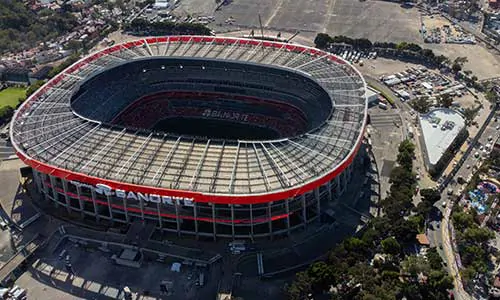
The global football community is preparing for an unprecedented celebration in 2026. For the first time, three nations—the United States, Canada, and Mexico—will co-host the largest tournament in sports history. At the absolute center of this monumental event stands a legendary venue ready to claim its crown once again. The integration of Estadio Azteca and FIFA World Cup 2026: A Historic Stadium’s New Chapter represents a profound bridge between football’s golden past and its highly digitized future. As the first stadium to host matches in three separate World Cup editions, this iconic arena in Mexico City is poised to deliver an unparalleled experience for players and supporters alike.
Table of Contents
- The Immortal Legacy of El Coloso de Santa Úrsula
- Estadio Azteca and FIFA World Cup 2026: A Historic Stadium’s New Chapter
- The Multi-Million Dollar Renovation Plan
- Enhancing Fan Experience and Accessibility
- Match Schedule and Opening Day Glory
- Economic and Cultural Impact on Mexico City
- Comparing Historic 2026 World Cup Venues
- Visitor’s Guide: Attending Matches in Mexico City
- Frequently Asked Questions
The Immortal Legacy of El Coloso de Santa Úrsula
Inaugurated in 1966, Estadio Azteca is not merely a structure made of concrete and steel; it is a sacred temple of international football. Known affectionately to locals as “El Coloso de Santa Úrsula” due to the suburb in which it sits, the stadium has bore witness to some of the most celebrated moments in sporting history.
Specifically, the venue hosted the 1970 World Cup final, where Pelé cemented his status as a global icon, leading Brazil’s legendary squad to victory. Consequently, the stadium became synonymous with the concept of “The Beautiful Game.” Subsequently, in 1986, Diego Maradona took center stage at the Azteca, scoring both the infamous “Hand of God” goal and the spectacular “Goal of the Century” against England in the quarter-finals, before ultimately lifting the trophy for Argentina.
Therefore, when FIFA sought venues that could offer genuine cultural weight alongside modern capacity, Mexico City’s prize arena was an obvious choice. The rich historical layers embedded in the grass of the Azteca cannot be replicated by modern, newly constructed arenas. This history creates an atmosphere of reverence that players worldwide dream of experiencing.
Estadio Azteca and FIFA World Cup 2026: A Historic Stadium’s New Chapter
Welcoming the world back for a third time requires more than just nostalgia. The pairing of Estadio Azteca and FIFA World Cup 2026: A Historic Stadium’s New Chapter demands a careful balance between preserving sacred sports heritage and integrating cutting-edge technological infrastructure. FIFA’s strict standards for modern tournaments necessitate major structural updates to ensure safety, comfort, and commercial viability.
Furthermore, because the 2026 tournament will feature an expanded format with 48 teams, the demands on stadium logistics will be higher than ever before. Estadio Azteca must be equipped to handle global media broadcasts, luxury hospitality offerings, and highly organized security operations without losing its distinct personality. Indeed, this transition is not about erasing the past, but rather building a sophisticated frame around it.
To keep up with these expectations, stadium operators and local authorities have engaged in extensive consultations with international architectural firms. The goal is simple yet challenging: make a 60-year-old stadium function like a venue built in 2026, while retaining the imposing, high-altitude atmosphere that makes playing in Mexico City a legendary challenge for visiting teams.
The Multi-Million Dollar Renovation Plan
To satisfy modern requirements, a comprehensive, phased renovation plan was launched. This initiative required Liga MX clubs Club América and Cruz Azul to temporarily relocate their home matches, highlighting the scale of the undertaking. The project touches almost every square meter of the stadium’s footprint.
First and foremost, the seating areas are being completely redesigned. While this will slightly reduce the overall capacity from its historical peak of over 100,000 down to approximately 83,000, it significantly improves spectator sightlines, comfort, and emergency evacuation times. In addition, the hospitality sectors are receiving complete overhauls, adding premium executive suites and club seats designed to meet high-end corporate demand.
In terms of technology, the upgrades are substantial. Plans include installing state-of-the-art LED lighting systems, replacing the giant video screens with high-definition displays, and upgrading the pitch irrigation system to hybrid grass. This ensures the playing surface remains flawless throughout the demanding tournament schedule. To explore the wider stadium landscape for the tournament, you can read the comprehensive stadium guide on the Official FIFA Website.
Enhancing Fan Experience and Accessibility
Modern sports fans expect seamless connectivity and comfort from the moment they approach a venue. Consequently, a major focus of the Estadio Azteca and FIFA World Cup 2026: A Historic Stadium’s New Chapter project is the surrounding public space. The development plans emphasize improved pedestrian access, reducing bottlenecks around the outer concourses.
Similarly, internal corridors and concession areas are being thoroughly modernized. Fans will enjoy upgraded restroom facilities, a wider variety of local and international culinary options, and high-speed Wi-Fi connectivity throughout the bowl. These quality-of-life upgrades are vital for maintaining high levels of satisfaction during long matchdays.
- Upgraded Concourse Spaces: Wider walkways designed to improve pedestrian flow and minimize congestion before and after matches.
- Cashless Payment Infrastructure: Integrating point-of-sale systems across all concessions to reduce wait times.
- Enhanced Accessibility: Dedicated seating areas and improved elevator access for fans with limited mobility.
- Sustainable Design: Installing rainwater harvesting systems and energy-efficient LED fixtures to reduce the venue’s environmental footprint.
Match Schedule and Opening Day Glory
The historical importance of the venue was formally recognized when FIFA announced the official tournament schedule. Estadio Azteca will host the opening match of the FIFA World Cup 2026 on June 11, 2026. This selection ensures that Mexico City will once again be the focus of the global sports world as the tournament gets underway.
Additionally, the stadium is scheduled to host multiple group stage fixtures and key knockout matches. Playing at an altitude of over 2,200 meters above sea level adds a unique tactical element to these games. Teams drawn to play in Mexico City will need to carefully plan their acclimatization strategies, as the thin air impacts both ball physics and player endurance.
As a result, matches at the Azteca are historically unpredictable and exciting. The combination of intense local fan support, thin high-altitude air, and the sheer historical weight of the stadium creates an intense environment that will challenge even the world’s most experienced teams.
Economic and Cultural Impact on Mexico City
Hosting the World Cup is a major economic driver for Mexico City. The arrival of hundreds of thousands of international travelers is expected to generate significant revenue for the local hospitality, transport, and tourism sectors. Neighborhoods near the stadium, such as Coyoacán, Tlalpan, and Xochimilco, are preparing for a major influx of visitors.
Moreover, the investments made in public transport infrastructure to support the matches will benefit local residents long after the final whistle. Upgrades to the light rail system (Tren Ligero) and bus routes serving the Santa Úrsula area are key parts of the city’s long-term urban mobility strategy.
Culturally, the event offers an opportunity to showcase modern Mexico to a global audience. The tournament allows the city to project an image of a vibrant, safe, and technologically advanced metropolis that remains deeply connected to its rich history. For more context on traveling to the country, you can consult the official advisories on the Visit Mexico Tourism Portal.
Comparing Historic 2026 World Cup Venues
While the United States and Canada feature state-of-the-art modern stadiums, Mexico brings unparalleled football history to the table. The table below highlights how the renovated Estadio Azteca compares with other prominent venues chosen for the 2026 tournament.
| Stadium Name | Location | Approx. Capacity | Key Distinction |
|---|---|---|---|
| Estadio Azteca | Mexico City, Mexico | 83,000 (after renovation) | First venue to host three World Cups |
| MetLife Stadium | East Rutherford, USA | 82,500 | Host of the 2026 World Cup Final |
| SoFi Stadium | Los Angeles, USA | 70,000 | Ultra-modern architectural marvel |
| BC Place | Vancouver, Canada | 54,000 | Retractable roof, major Canadian hub |
Visitor’s Guide: Attending Matches in Mexico City
If you plan to attend matches during this exciting tournament, early preparation is essential. Mexico City is a vast, high-energy metropolis, and navigating it during a global sporting event requires sensible planning.
Firstly, secure your accommodation early. Neighborhoods like Reforma, Roma, Condesa, and Coyoacán are highly recommended for international visitors due to their walkability, excellent dining options, and public transit links. From these areas, taking the Metro or the Tren Ligero light rail system is often faster than navigating event-day road traffic.
Additionally, remember to account for the local climate and altitude. Mexico City sits at 2,240 meters above sea level, which can cause mild dehydration or fatigue for visitors. Drink plenty of water, use sunscreen, and allow yourself a day or two to adapt to the altitude before engaging in strenuous physical activity.
Quick Travel Tip:
Always use official transportation options like authorized taxi stands (sitios) or rideshare apps like Uber and DiDi to travel to and from the stadium safely and efficiently.
Frequently Asked Questions
Is Estadio Azteca the only venue in Mexico hosting matches in 2026?
No, Mexico will host matches in three cities. Along with Estadio Azteca in Mexico City, games will be played at Estadio BBVA in Monterrey and Estadio Akron in Guadalajara.
How will the 2026 renovations affect the stadium’s historic look?
The renovations focus on upgrading internal facilities, hospitality areas, seats, and technology. The classic exterior concrete facade and the legendary overall silhouette of the stadium will be preserved to maintain its historic identity.
What is the capacity of Estadio Azteca for the 2026 World Cup?
The post-renovation capacity is expected to be approximately 83,000. This reduction from its historic capacity allows for improved seating, safety zones, and upgraded media facilities required by FIFA.
How do I get to Estadio Azteca using public transit?
You can take Metro Line 2 to the Tasqueña terminal station, and then transfer directly to the Tren Ligero (Light Rail), which drops you off directly at the “Estadio Azteca” station.
Why is playing at Estadio Azteca considered so difficult for visiting teams?
The difficulty stems from a combination of the stadium’s high altitude (2,240 meters above sea level), the intense noise level created by the passionate crowd, and the steep design of the stands, which traps the atmosphere inside the bowl.
When will the first match of the 2026 World Cup take place at the Azteca?
The opening match of the FIFA World Cup 2026 is scheduled to take place at Estadio Azteca on June 11, 2026, marking the official start of the historic tournament.
Conclusion: Witnessing the Birth of a New Era
The journey of Estadio Azteca and FIFA World Cup 2026: A Historic Stadium’s New Chapter highlights the enduring appeal of football history. By combining the legendary atmosphere of Pelé and Maradona’s triumphs with modern technological updates, this historic venue is preparing to deliver an exceptional experience for the next generation of football fans.
Whether you are a dedicated football supporter, an architectural enthusiast, or a casual traveler, being part of this new chapter is a chance to experience sports history in the making. Start planning your journey early, secure your travel arrangements, and prepare to witness the beautiful game return to its most sacred ground.
Are you ready for the World Cup?
Keep up with the latest ticket releases, travel tips, and renovation updates by visiting official tournament channels today.