FIFA Calendar Explained: Key Changes Leading to World Cup 2026
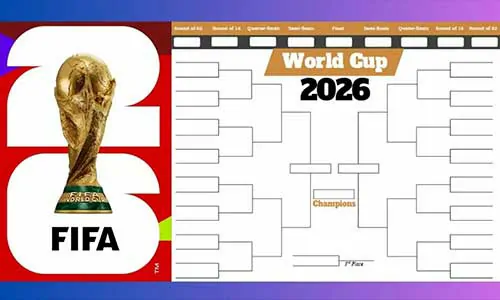
Table of Contents
- Understanding the Evolution of the FIFA Match Calendar
- The Big Shift: Fewer Windows, Longer Breaks Explained
- How Each Confederation Adapts to the New Schedule
- Player Welfare and the Club vs. Country Balance
- The Path to the First-Ever 48-Team World Cup
- Comparative Overview of Calendar Adjustments
- Conclusion: The New Era of International Football
- Frequently Asked Questions (FAQs)
The global football ecosystem is undergoing its most significant structural transformation in decades. As national teams battle for a spot in the expanded 2026 tournament, fans, clubs, and players must adapt to a overhauled international schedule. In this comprehensive guide, we provide a detailed FIFA Calendar Explained: Key Changes Leading to World Cup 2026 analysis to help you understand how these scheduling adjustments affect domestic leagues, player performance, and the road to the tournament in North America.
Historically, the balance between club duties and national team commitments has been a source of tension. With the expansion of the World Cup to 48 teams, FIFA had to rethink how qualification matches are played. By restructuring the international breaks, the governing body aims to reduce long-distance travel while maintaining high stakes for matches globally. Consequently, understanding these shifts is essential for any modern football enthusiast or industry analyst.
Understanding the Evolution of the FIFA Match Calendar
The International Match Calendar is the backbone of global football scheduling. It dictates when domestic leagues must pause to allow players to represent their respective countries. Over the years, the calendar had fallen into a predictable, yet tiring, rhythm of five short international breaks scattered throughout the European season: September, October, November, March, and June.
However, this traditional format faced mounting criticism. Critics argued that frequent interruptions disrupted the rhythm of domestic campaigns. Furthermore, national team managers often complained about having too little preparation time during these short, 9-day windows. Recognizing these issues, football authorities initiated a comprehensive review process, culminating in the structural changes we see today as the sports world prepares for 2026.
Moreover, the introduction of new continental tournaments, such as the UEFA Nations League and expanded versions of the CONCACAF Nations League, added layers of complexity. The need for a cohesive, streamlined schedule became undeniable, especially with the logistical challenges of hosting a tournament across three massive nations: Canada, Mexico, and the United States.
The Big Shift: Fewer Windows, Longer Breaks Explained
The core change in the modern international schedule lies in consolidating several individual windows into larger, more efficient blocks. Instead of multiple disruptive breaks in autumn, the revised framework introduces a single, extended window designed to host more matches consecutively.
Why the FIFA Calendar Explained: Key Changes Leading to World Cup 2026 Matters
This consolidation is not merely administrative; it directly impacts how national teams prepare. Under the old system, players from South America or Asia playing in European leagues spent a significant portion of their international break traveling across time zones. By combining the September and October windows into one prolonged four-match period, travel demands are significantly reduced.
For instance, instead of a player flying from London to Buenos Aires and back twice in six weeks, they now make the journey once for an extended stay. This change aims to minimize jet lag, lower the risk of soft-tissue injuries, and allow managers to conduct meaningful training blocks rather than hurried recovery sessions between flights.
In addition, domestic leagues benefit from fewer interruptions. Once the autumn international break concludes, club football can run continuously for a longer period, allowing teams to build momentum and offering fans a more consistent viewing experience. This structural change is a key pillar of the modern scheduling reform.
How the FIFA Calendar Explained: Key Changes Leading to World Cup 2026 Affects Player Fatigue
While the reduction in travel is a clear benefit, the concentration of competitive fixtures within a single block presents new physical demands. Playing four high-intensity matches in a 16-day span requires careful squad rotation and advanced recovery protocols. Club managers remain cautious about how their key assets are managed during these intensive periods.
To mitigate these concerns, FIFA has collaborated with continental confederations to establish mandatory rest periods following major tournaments. Nevertheless, the total volume of matches played annually by elite players remains exceptionally high, prompting continuous discussions regarding player load and recovery science.
How Each Confederation Adapts to the New Schedule
Every continent faces unique geographical and competitive challenges. As a result, the implementation of the updated calendar varies across different confederations, each designing qualification pathways that fit within the new international windows.
In Europe, UEFA has adapted by creating smaller qualification groups. Instead of traditional five- or six-team groups, teams are placed into groups of four or five. This reduction in group size decreases the total number of qualifying matches required, freeing up space in the busy schedule and ensuring that elite players face fewer low-consequence fixtures.
Meanwhile, South America’s CONMEBOL continues its demanding 18-round robin format, but benefits directly from the consolidated windows. Players returning to South America can remain with their national squads for longer periods, reducing the cumulative toll of transatlantic flights. This is particularly crucial for South American stars who form the backbone of top European clubs.
In Africa (CAF) and Asia (AFC), the expansion of the World Cup to 48 teams has led to revised qualification formats. With more spots up for grabs, these confederations have introduced multi-stage group formats that make full use of the newly structured international windows, ensuring that highly competitive matches are played throughout the cycle.
Player Welfare and the Club vs. Country Balance
The balance of power between club teams and national associations has long been a delicate subject. Clubs pay the players’ wages and bear the financial risks of injuries, while national associations demand their best players for key qualification cycles. The revised schedule attempts to find a middle ground between these competing interests.
According to research from the FIFPRO player union reports, elite players frequently exceed the recommended limits for back-to-back matches without adequate recovery. The consolidation of international windows is a direct response to these concerns, though some argue it does not go far enough to address the overall volume of football played annually.
Furthermore, the introduction of the expanded FIFA Club World Cup adds another layer of scheduling pressure. With domestic cups, continental club competitions, domestic leagues, and international fixtures all competing for dates, the modern calendar leaves little room for error. Coordination between FIFA, leagues, and player associations remains essential to prevent burnout.
The Path to the First-Ever 48-Team World Cup
The 2026 World Cup, co-hosted by Canada, Mexico, and the United States, will be the largest in history. Featuring 48 nations, the tournament will require a revamped format consisting of 12 groups of four teams, leading to a new Round of 32 knockout stage. Consequently, the tournament will feature 104 matches in total, up from the 64 matches of previous editions.
To accommodate this expanded format without extending the overall footprint of the tournament excessively, FIFA has optimized the preparation period. The release period for players from their clubs has been streamlined to ensure they receive a standardized rest window before joining their national camps.
For detailed, official updates on the tournament schedule and ticketing, you can visit the official FIFA website. This major event is set to redefine how football is consumed globally, making the qualification process and calendar management leading up to it incredibly important.
Comparative Overview of Calendar Adjustments
To better understand how these changes compare to previous cycles, the table below highlights the key differences in scheduling, windows, and tournament metrics.
| Feature | Previous Calendar Format | New Post-2024 Calendar |
|---|---|---|
| Autumn Windows | Three separate windows (Sep, Oct, Nov) | Consolidated blocks with fewer travel cycles |
| Matches per Autumn Block | Typically 2 matches per break | Up to 4 matches in consolidated windows |
| World Cup Finalists | 32 Teams | 48 Teams (Starting 2026) |
| Total Tournament Matches | 64 Matches | 104 Matches |
| Travel Demands | High frequency, shorter stays | Reduced frequency, extended preparation times |
Conclusion: The New Era of International Football
The restructuring of the global football schedule represents a major step in the modernization of the sport. By consolidating international breaks, football authorities aim to address player fatigue, satisfy club concerns, and deliver a highly competitive qualification process leading up to the expanded World Cup in 2026.
While challenges remain regarding overall player workload, these changes show a willingness to adapt to the realities of modern travel and high-performance sport. As we move closer to the tournament in Canada, Mexico, and the United States, tracking how these schedule adjustments affect team preparation and on-pitch performance will be fascinating.
What are your thoughts on these scheduling updates? Do you believe fewer, longer international breaks will benefit your favorite club team, or do you prefer the older, more frequent format? Share your thoughts with other fans in the comments below or join the discussion on social media!
Frequently Asked Questions (FAQs)
Q1: What is the main objective of the new FIFA calendar changes?
A1: The primary goal is to optimize player recovery and reduce travel demands by consolidating multiple short international breaks into longer, more efficient windows, particularly during the autumn months.
Q2: How many teams will participate in the 2026 World Cup?
A2: The 2026 World Cup will feature 48 teams, an increase from the 32-team format used in previous tournaments since 1998.
Q3: How do the calendar changes help club teams?
A3: Consolidating the international breaks means domestic leagues face fewer interruptions. This allows clubs to maintain momentum during the season and reduces the frequent travel stress on their international players.
Q4: Does the new calendar increase the total number of matches for players?
A4: While it reduces travel frequency, the expanded formats of both national team and club tournaments mean that elite players still face a very busy schedule, which continues to be a topic of discussion regarding player welfare.
Q5: Where will the 2026 World Cup matches take place?
A5: The tournament will be co-hosted by three countries: Canada, Mexico, and the United States, utilizing world-class stadiums across North America.
Q6: How does the new layout affect South American qualifiers?
A6: CONMEBOL retains its 18-match round-robin format, but players benefit from consolidated windows, meaning fewer long-distance flights back to South America over the course of the European season.