FIFA World Cup 2026 Ticket Prices Explained: Categories, Costs & Seating Guide
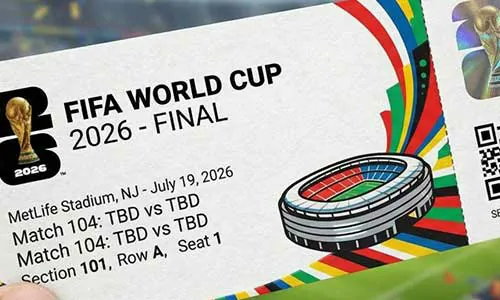
The anticipation for the biggest sporting event in history is reaching a fever pitch. With 48 teams competing across three massive nations—the United States, Canada, and Mexico—the upcoming tournament promises unprecedented scale. For millions of football enthusiasts worldwide, securing a seat inside one of the 16 iconic venues is a top priority. Understanding the ticketing structure, seating tiers, and estimated costs is vital for anyone planning to attend. In this comprehensive analysis, we present the FIFA World Cup 2026 Ticket Prices Explained: Categories, Costs & Seating Guide to help you navigate your journey to North America.
Planning for a tournament of this magnitude requires foresight, especially considering the vast distances between host cities and the inevitable demand for tickets. Consequently, understanding how FIFA structures its pricing tiers can save you both time and money. This guide breaks down every essential detail, ensuring you are fully prepared when the official sales phases commence.
Table of Contents
- Overview of the 2026 Ticketing Landscape
- Understanding Ticket Categories and Seating Configurations
- FIFA World Cup 2026 Ticket Prices Explained: Predicted Costs
- Seating Guide Across Key Host Stadiums
- How and When to Secure Your Official Tickets
- Hospitality and VIP Packages Explained
- Pro Tips for Budgeting and Avoiding Scams
- Frequently Asked Questions (FAQs)
Overview of the 2026 Ticketing Landscape
The 2026 tournament marks a historic shift in the structure of international football. By expanding to 48 teams, the tournament will feature 104 matches, creating more ticketing opportunities than ever before. However, the sheer size of the host markets—particularly the United States—means that demand will likely exceed supply for high-profile matches.
Historically, ticket sales are divided into several distinct phases. FIFA manages this process directly through its digital portal to maintain control over pricing and distribution. As a result, fans must understand the timeline and system requirements to maximize their chances of securing a seat. Whether you hope to watch group-stage matches in Vancouver, Round of 32 fixtures in Monterrey, or the highly anticipated final in New Jersey, preparation is key.
Additionally, the economic landscape of North American sports entertainment heavily influences ticket valuations. Given the premium nature of modern NFL and MLS stadiums, base operational costs are higher than in previous editions. Therefore, fans should anticipate a pricing scale that reflects these domestic market dynamics while still conforming to FIFA’s global access standards.
Understanding Ticket Categories and Seating Configurations
FIFA categorizes stadium seats to accommodate different budgets and viewing preferences. Generally, seats are divided into four primary categories, alongside dedicated accessibility seating. Each category corresponds to a specific zone within the stadium, directly impacting your visual experience and match-day atmosphere.
Category 1: Premium Sideline Views
Category 1 represents the highest-priced standard seating option available to the general public. These seats are located in the prime locations of the stadium, typically along the main sidelines (east and west stands). They offer an unobstructed, panoramic view of the pitch from the lower and middle tiers.
Consequently, these tickets are favored by fans seeking the best tactical view of the match and closest proximity to the team benches. While expensive, the comfort and viewing angles provided by Category 1 are unmatched outside of hospitality suites.
Category 2: Corner and Upper-Tier Sideline Seating
Category 2 tickets offer a middle-ground option for fans. These seats are situated in the corners of the stadium or in the slightly higher rows of the sideline sections. They provide a compelling balance between price and perspective.
From these seats, you can easily follow the diagonal flow of play. Furthermore, the atmosphere in these transition zones is often highly energetic, attracting dedicated supporters who appreciate a clear view without paying premium Category 1 prices.
Category 3: Behind-the-Goal Views
Category 3 seats are located behind the goals in the north and south ends of the stadiums. These seats are typically the most affordable option for international visitors. While you may lose some depth perception when play moves to the opposite end of the pitch, the atmosphere behind the goals is famously vibrant.
In addition, these sections are where the most passionate fan groups gather, creating an electric environment characterized by continuous chanting, flags, and synchronized celebrations. For many, this raw energy defines the true tournament experience.
Category 4: Domestic-Only Seating
Category 4 tickets are reserved exclusively for residents of the host nations: the USA, Canada, and Mexico. This is a traditional FIFA policy designed to ensure local communities can afford to participate in the global celebration.
These tickets are heavily discounted compared to the other categories and are typically located in the highest rows of the upper bowls. To purchase these, buyers must provide proof of residency, such as a local address, national ID, or utility bill, during the application process.
Accessibility Tickets
FIFA provides dedicated ticketing options for individuals with disabilities or limited mobility. These seats feature step-free access, ample space for wheelchairs, and companion seating at a price equivalent to Category 4 rates. FIFA maintains high accessibility standards across all 16 venues, ensuring inclusive participation.
FIFA World Cup 2026 Ticket Prices Explained: Predicted Costs
To plan your travel budget effectively, you need a realistic projection of potential costs. Although the organizing committee has not finalized the exact pricing matrix, we can project expected ranges. These estimates are based on historical data from the 2022 edition in Qatar, adjusted for North American inflation, stadium lease structures, and regional economic factors.
The table below provides a comprehensive breakdown of estimated prices across different tournament stages and categories:
| Tournament Stage | Category 1 (USD) | Category 2 (USD) | Category 3 (USD) | Category 4 / Accessibility (USD) |
|---|---|---|---|---|
| Opening Matches | $350 – $450 | $250 – $300 | $150 – $200 | $55 – $85 |
| Group Stage Matches | $220 – $280 | $165 – $200 | $80 – $120 | $30 – $50 |
| Round of 32 & 16 | $350 – $450 | $250 – $320 | $150 – $220 | $60 – $90 |
| Quarter-Finals | $550 – $700 | $400 – $500 | $250 – $350 | $100 – $150 |
| Semi-Finals | $1,100 – $1,300 | $750 – $900 | $450 – $550 | $180 – $250 |
| Third-Place Match | $500 – $650 | $350 – $450 | $220 – $300 | $100 – $130 |
| The Grand Final | $1,800 – $2,500+ | $1,200 – $1,500 | $750 – $950 | $250 – $350 |
When analyzing these potential figures, keep in mind that currency exchanges and localized tax rates may apply depending on the country hosting your chosen match. For instance, Canadian and Mexican taxes could alter the final transactional price at checkout.
Conversely, early group stage games involving lower-ranked nations may remain relatively accessible. This variation highlights the importance of managing expectations and budget parameters early in your planning cycle.
Seating Guide Across Key Host Stadiums
The choice of venue greatly influences the seating dynamics and overall match-day environment. Since the 2026 matches are distributed across various architectural styles, understanding the layout of major stadiums is critical.
The United States: Modern Super-Stadiums
In the USA, matches will take place in advanced, multi-purpose arenas. Venues such as MetLife Stadium (New York/New Jersey), SoFi Stadium (Los Angeles), and AT&T Stadium (Dallas) offer massive capacities ranging from 70,000 to over 90,000 seats.
- MetLife Stadium: Scheduled to host the final, this open-air venue features steep seating bowls that ensure excellent sightlines even from the highest tiers. However, weather protection is minimal, meaning fans should prepare for varying conditions.
- SoFi Stadium: Known for its futuristic canopy and the massive dual-sided “Infinity Screen” display, SoFi provides a unique indoor-outdoor atmosphere. Sightline geometry here is optimized for premium sideline viewing.
- AT&T Stadium: With its retractable roof and gigantic center-hung video board, this venue offers a controlled climate. The upper-tier seats feel remarkably close to the action due to the steep slope design.
Mexico: Historic Football Cathedrals
Mexico brings a rich football heritage, highlighted by the legendary Estadio Azteca in Mexico City, alongside Estadio BBVA in Monterrey and Estadio Akron in Guadalajara.
- Estadio Azteca: As a historic venue undergoing major renovations for 2026, Azteca offers an intimidating atmosphere. The lower tiers put you incredibly close to the pitch, while the upper-tier sections are steep and sweeping.
- Estadio BBVA: Located in Monterrey, this venue features a unique design that frame the surrounding mountains. The seating bowl is designed to keep fans compact and close to the action, enhancing acoustics.
Canada: Urban Multi-Use Arenas
Canada’s venues include BC Place in Vancouver and BMO Field in Toronto. Both offer intimate, highly focused viewing environments.
- BC Place: This venue features a retractable roof and a centralized cable-supported fabric roof. The stadium is highly accessible and centrally located, making it popular for urban travelers.
- BMO Field: With temporary seating expansions planned to meet FIFA capacity requirements, BMO Field offers a classic football-specific stadium feel, bringing fans close to the touchlines.
How and When to Secure Your Official Tickets
To secure valid admission, you must navigate the official registration process. To prevent fraud and excessive markup, FIFA maintains strict control over the distribution channels. Understanding the timing and mechanics of the ticketing cycle is crucial for a successful application.
To stay updated and receive notifications when windows open, fans must register their interest directly on the Official FIFA Ticketing Portal. Registration is free and does not commit you to purchasing but is essential for receiving phase-specific announcements.
Phase 1: The Random Selection Draw
The initial phase is generally operated as a lottery. Fans select their desired matches and ticket categories over a multi-week window. It does not matter when you submit your application within this window, as all valid entries have an equal chance of selection.
Once the window closes, a computerized draw determines the successful applicants. If selected, your registered payment method is charged automatically. This phase offers the fairest opportunity for international supporters to secure high-demand matches.
Phase 2: First-Come, First-Served Sales
Following the conclusion of the random draw, unsold inventory is released in a real-time sales phase. During this period, speed is essential. Fans must navigate online queues to select and purchase remaining inventory instantly.
Consequently, highly sought-after fixtures—such as knockout stage matches and local host-nation games—tend to sell out within minutes of release during this phase.
Phase 3: Last-Minute Sales and Official Resale
In the final months leading up to the opening match, FIFA launches a last-minute sales phase alongside an official secondary marketplace. This resale platform allows ticket holders who can no longer attend to sell their tickets at face value to other fans.
This is the only legal, safe way to buy secondary market tickets. Using unauthorized platforms introduces severe risks, including counterfeit tickets and denied entry at the stadium gates.
Hospitality and VIP Packages Explained
For those looking for an elevated experience, official hospitality packages offer guaranteed seating combined with luxury amenities. These packages operate independently of the general ticket lottery and are available for purchase much earlier.
Options typically range from club-level seating with lounge access to private executive suites featuring fine dining, complimentary bar services, and dedicated parking. While pricing starts in the thousands of dollars, these packages offer a reliable alternative for corporate groups or fans seeking a high-end experience.
You can explore the official premium options and secure hospitality packages directly via the FIFA World Cup 2026 Official Site. This path avoids the uncertainty of the lottery while ensuring premium viewing positions.
Pro Tips for Budgeting and Avoiding Scams
Attending a tournament that spans an entire continent demands careful financial and logistical planning. Below are key recommendations to help you navigate the process smoothly:
- Budget for travel first: The distance between cities like Miami, Toronto, and Vancouver is massive. Ensure your budget accounts for domestic flights and local accommodations alongside ticket costs.
- Focus on early group stages: If your main goal is to experience the atmosphere, target early group stage matches in mid-sized host cities to find more affordable ticket prices.
- Beware of third-party sellers: Avoid unauthorized ticket brokers. FIFA uses secure digital-only ticketing systems, and physical tickets or printouts will not be accepted.
- Coordinate your travel crew: If traveling in a group, submit your lottery applications together. FIFA’s portal allows you to link applications to keep your group seated in the same section.
Frequently Asked Questions (FAQs)
1. How much will the cheapest FIFA World Cup 2026 tickets cost?
While official prices are not yet finalized, estimates suggest that domestic-only Category 4 tickets could start as low as $30 to $50 for standard group stage matches. International Category 3 seats will likely begin around $80 to $120.
2. When do FIFA World Cup 2026 tickets go on sale?
Ticket sales phases are expected to begin in late 2025. Fans are encouraged to register their interest early on the official FIFA ticketing website to receive direct notifications when the application portal opens.
3. What is the difference between Category 1 and Category 3 seating?
Category 1 offers premium sideline seating, providing the closest and most complete view of the pitch. Category 3 tickets are located in the upper tiers or directly behind the goals, offering a more distant view but a highly energetic fan environment.
4. Are there special ticket prices for residents of the USA, Canada, and Mexico?
Yes, FIFA historically reserves Category 4 tickets for residents of the host nations. These tickets are significantly cheaper but require proof of local residency to purchase and utilize.
5. How do I avoid ticket scams for the 2026 World Cup?
Purchase tickets only through the official FIFA portal or authorized hospitality channels. Avoid purchasing from secondary marketplaces or social media sellers, as unauthorized digital transfers are invalid.
6. Can I apply for tickets to multiple matches on the same day?
No, FIFA’s ticketing system restricts bookings to prevent overlaps. You cannot buy tickets for matches occurring on the same day due to safety and travel logistics.
Conclusion
Attending the historic 2026 tournament requires planning, patience, and a clear understanding of the ticketing system. By studying the details in this FIFA World Cup 2026 Ticket Prices Explained: Categories, Costs & Seating Guide, you can set realistic budgets, choose the right categories, and navigate the lottery system with confidence.
Make sure to register your interest on the official FIFA ticketing platform early to avoid missing critical deadlines. Start organizing your host city route, budgeting for accommodation, and preparing for an unforgettable football adventure in North America.