Football Pitch Maintenance Explained: Natural Grass vs Hybrid Turf
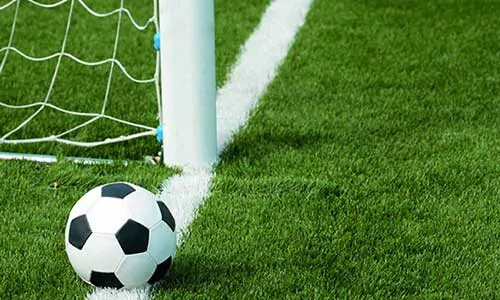
Modern football demands flawless playing surfaces. The quality of a pitch directly influences player safety, ball roll, game speed, and even club revenue. Consequently, choosing between natural grass and modern hybrid systems is one of the most critical decisions a club can make. In this comprehensive guide, we provide a detailed breakdown of Football Pitch Maintenance Explained: Natural Grass vs Hybrid Turf, helping grounds managers, stadium operators, and club owners understand the practical realities of managing these surfaces.
Whether you are managing a local community pitch or a professional stadium, maintaining consistent turf quality requires a blend of agronomy, engineering, and diligent scheduling. Let us explore how these two systems compare under real-world conditions.
Table of Contents
- 1. The Evolution of Modern Football Pitches
- 2. Natural Grass Pitches: Characteristics and Agronomy
- 3. Hybrid Turf Systems: Engineering the Perfect Pitch
- 4. Football Pitch Maintenance Explained: Natural Grass vs Hybrid Turf
- 5. Durability, Usage Limits, and Player Performance
- 6. Financial Comparison: Installation and Operational Costs
- 7. Environmental and Sustainability Considerations
- 8. Conclusion & Actionable Advice
- 9. Frequently Asked Questions (FAQs)
1. The Evolution of Modern Football Pitches
Historically, football pitches were simple clay- or soil-based natural grass fields. During wet winter months, these pitches easily deteriorated into mud baths, while summer heat left them hard and uneven. This unpredictable variability impacted tactical gameplay and increased the risk of player injuries, such as ankle sprains and ligament tears.
To address these issues, sports turf science advanced rapidly. First came sand-based rootzones, which significantly improved drainage. Later, synthetic fibers were integrated to create hybrid systems, offering a highly durable compromise. Understanding this evolution is key to realizing why specific maintenance programs are required for different modern playing surfaces.
2. Natural Grass Pitches: Characteristics and Agronomy
A pure natural grass pitch relies entirely on live, organic turf. Typically grown on a sand-dominant rootzone to facilitate rapid drainage, these pitches are preferred by many elite players due to their natural feel, optimal traction, and cooler surface temperatures during hot weather.
Grass Species Selection
The success of a natural grass pitch depends heavily on the species of grass selected. Cool-season climates generally utilize Perennial Ryegrass (Lolium perenne) for its rapid establishment and excellent wear tolerance, often blended with Smooth-Stalked Meadow Grass (Poa pratensis) for its lateral shear strength. In contrast, warm-season climates rely on Bermuda grass (Cynodon dactylon), which thrives in high temperatures but requires overseeding during winter dormancy.
Agronomic Challenges
Living plants require light, water, air, and nutrients. Natural turf is highly susceptible to biological threats, including fungal diseases (such as Microdochium patch or Dollar Spot), weed infestations, and pest damage (such as chafer grubs or leatherjackets). Consequently, keeping a natural grass pitch in pristine condition requires a highly proactive, science-based agronomic approach.
3. Hybrid Turf Systems: Engineering the Perfect Pitch
Hybrid turf systems combine the playing characteristics of natural grass with the durability of synthetic fibers. These systems are not artificial turf; instead, they are natural grass pitches reinforced with approximately 3% to 5% synthetic fibers. These fibers protect the grass roots and crown, preventing the turf from tearing away during heavy play.
Types of Hybrid Systems
There are two primary categories of hybrid turf technology used in professional sports today:
- Stitched Systems: Specialized machines inject individual synthetic fibers (usually polyethylene) 20 cm deep into the sand-based rootzone at precise intervals (typically a 2cm x 2cm grid). The natural grass roots intertwine with these fibers, anchoring the plants securely. Brands like Desso GrassMaster utilize this technology.
- Carpet/Laid Systems: A synthetic mesh or carpet backing containing woven synthetic fibers is laid over the pitch base. The backing is then filled with a sand rootzone, and natural grass is sown directly into it. The roots grow down through the backing, creating a stable, unified matrix.
These engineered solutions significantly reduce divoting, ensuring that even when the natural grass is worn away, the surface remains flat, stable, and safe for players.
4. Football Pitch Maintenance Explained: Natural Grass vs Hybrid Turf
To keep both surfaces in optimal condition, grounds teams must implement distinct operational protocols. Below, we look at how Football Pitch Maintenance Explained: Natural Grass vs Hybrid Turf translates to daily, weekly, and seasonal field care routines.
The Technical Breakdown: Football Pitch Maintenance Explained: Natural Grass vs Hybrid Turf
The presence of synthetic fibers in hybrid pitches alters how standard cultural practices—such as aeration, scarification, and renovation—are conducted. If incorrect machinery or settings are used, the synthetic fibers can be permanently damaged or pulled out of the ground.
| Maintenance Task | Natural Grass Pitch | Hybrid Turf Pitch |
|---|---|---|
| Mowing | Frequent mowing (daily during peak season) to maintain a height of 22mm-28mm. Rotary or cylinder mowers can be used freely. | Frequent mowing required. Precision cylinder mowers must be perfectly calibrated to avoid scalping or cutting the synthetic fibers. |
| Aeration | Deep verti-draining, solid tining, and hollow tining can be performed regularly to relieve soil compaction. | Specialized solid tining is required. Deep hollow tining is restricted or must be done with extreme care to prevent cutting the synthetic backing or fibers. |
| Scarification & Renovation | Aggressive scarification can be executed to remove organic thatch accumulation without damaging the structural base. | Requires specialized, high-precision surface planers (e.g., Koro Field TopMaker) to shave off organic matter without destroying the synthetic matrix. |
| Divoting & Repair | Labor-intensive hand-forking and seed-pegging of divots are required immediately after every match. | Significantly reduced divoting. Repairs are mostly limited to repairing localized wear in high-stress zones like goal mouths. |
Furthermore, because hybrid pitches cannot be tilled as deeply as pure natural grass, organic matter accumulation (thatch) near the surface must be managed continuously. Thatch blocks water infiltration and oxygen exchange, which can weaken the root system of the living grass.
Irrigation and Fertilization Needs
Both systems require advanced irrigation networks. However, because hybrid systems are constructed on highly porous, sand-based rootzones, they drain water very quickly. Consequently, they require more frequent, light irrigation applications rather than infrequent, heavy soaking. Similarly, fertilizer programs must be carefully managed; nutrients leach rapidly through sand, requiring light, frequent applications of liquid fertilizers or slow-release granular products to sustain healthy growth.
5. Durability, Usage Limits, and Player Performance
A primary factor when deciding between these two pitch types is the expected volume of play. Natural grass pitches have low structural resilience under heavy, repetitive usage. During peak winter, a standard natural grass pitch can sustain roughly 5 to 6 hours of adult play per week before showing significant signs of wear and tear.
On the other hand, hybrid turf pitches can easily withstand 20 to 30 hours of play per week. The synthetic fibers hold the sand rootzone together, keeping the playing surface stable and level even when the natural grass leaves are worn down. This high level of durability makes hybrid systems highly appealing to multi-use modern stadiums that host concerts, rugby matches, and back-to-back training sessions.
From a player’s perspective, hybrid pitches offer excellent stability. The consistent surface allows for predictable ball roll and optimal traction, which can enhance overall game speed. However, some players note that hybrid surfaces can feel slightly harder than traditional soil-based natural grass, meaning that hardness levels must be closely monitored using tools like the Clegg Impact Soil Tester to ensure safety.
6. Financial Comparison: Installation and Operational Costs
For many sports clubs, the choice between these surfaces comes down to a financial evaluation. It is essential to look at both the initial capital expenditure (CAPEX) and the ongoing operational costs (OPEX).
Why Football Pitch Maintenance Explained: Natural Grass vs Hybrid Turf Matters for Club Budgets
While natural grass pitches are much more affordable to construct, they can become costly to maintain if they require frequent turf replacements or extensive manual labor for post-match repairs. In contrast, hybrid pitches require a substantial initial investment but offer high durability that can help generate additional stadium revenue.
- Natural Grass Capital Costs: Relatively low. Building a high-quality sand-capped natural turf pitch typically ranges from $80,000 to $150,000, depending on drainage and irrigation systems.
- Hybrid Turf Capital Costs: Exceptionally high. Installing a stitched or carpet hybrid system can cost anywhere from $300,000 to over $600,000, as it requires specialized stitching machinery and high-grade rootzone materials.
- Operational Costs (OPEX): Hybrid pitches require highly specialized maintenance machinery, supplemental grow lights to stimulate grass growth in shaded stadiums, and annual end-of-season renovations. These requirements make the annual maintenance budget for a hybrid pitch significantly higher than that of a standard natural grass pitch.
Therefore, clubs must carefully balance the higher initial and annual costs of a hybrid system against the potential financial gains of hosting more matches, events, and community activities on the surface.
7. Environmental and Sustainability Considerations
Environmental sustainability is becoming an increasingly important priority in modern sports turf management. Both playing surfaces present distinct environmental advantages and challenges that grounds managers must navigate.
Natural grass pitches support local biodiversity, cool the surrounding air through transpiration, and filter rainwater naturally. However, they can require significant chemical inputs—including fungicides, herbicides, and chemical fertilizers—to maintain their pristine appearance. Additionally, during dry periods, their water consumption can be quite high.
While hybrid systems contain synthetic plastic fibers (usually polyethylene), they remain primarily composed of living natural grass. Consequently, they do not suffer from the severe heat island effects or microplastic shedding associated with 100% artificial turf fields. However, when a hybrid pitch is renovated, removing and separating the synthetic fibers from the organic waste is a complex process. Turf managers must work closely with environmental organizations, such as the Sports Turf Research Institute (STRI), to implement sustainable maintenance practices, minimize chemical runoff, and reduce carbon footprints.
8. Conclusion & Actionable Advice
In summary, choosing between natural grass and hybrid turf involves balancing budget, usage requirements, and maintenance capabilities. Natural grass offers a traditional, cost-effective surface with excellent playability, but it cannot support high-frequency usage. Hybrid turf provides incredible durability and consistency under heavy use, but it requires a high initial investment and highly specialized maintenance practices.
For elite professional clubs and multi-use stadiums, the durability and reliability of hybrid turf often justify the higher costs. Conversely, for community clubs, academies, and venues with lower budgets, a well-engineered and properly maintained natural grass pitch remains an excellent, sustainable choice.
If you are looking to upgrade or optimize your sports field performance, we recommend consulting with professional agronomic advisors and certified turf engineers. They can conduct detailed soil, light, and usage analyses to design a customized maintenance program tailored to your specific facility goals.
9. Frequently Asked Questions (FAQs)
Q1: Can you use standard aeration equipment on a hybrid turf pitch?
No, using standard aggressive aeration equipment can damage or pull out the synthetic fibers. Hybrid pitches require specialized solid tining or high-precision micro-tining equipment designed specifically to work around the synthetic matrix.
Q2: How long does a hybrid turf pitch last before it needs to be replaced?
The synthetic fibers in a high-quality stitched hybrid pitch typically last between 8 to 12 years. However, the living natural grass component must be renovated and replanted annually to maintain optimal density and health.
Q3: Why do professional stadiums prefer hybrid turf over 100% natural grass?
Professional stadiums favor hybrid turf because it resists divoting, maintains a flat and safe playing surface under intense play, and allows the pitch to host non-sporting events, such as concerts, without destroying the turf structure.
Q4: Is hybrid turf more abrasive or dangerous for players than natural grass?
No, hybrid turf is designed to play and feel like natural grass. Because the synthetic fibers make up only about 3% of the surface, players rarely feel them. Additionally, the enhanced stability can help prevent joint and ankle injuries caused by unstable, divoted turf.
Q5: How does drainage compare between natural grass and hybrid pitches?
Both systems can achieve excellent drainage if built on a sand-based rootzone. However, because hybrid pitches are almost exclusively installed over high-specification, engineered sand profiles with built-in vacuum ventilation systems, they generally drain water much faster than standard soil-based natural grass fields.
Q6: Do hybrid pitches require more water than natural grass pitches?
Generally, yes. Because hybrid pitches are built on highly porous sand-based rootzones to prevent waterlogging, they hold less organic moisture. Consequently, they require more frequent, controlled irrigation to keep the live natural grass hydrated and healthy.