Why the Rose Bowl Was Not Selected for Major FIFA World Cup 2026 Matches
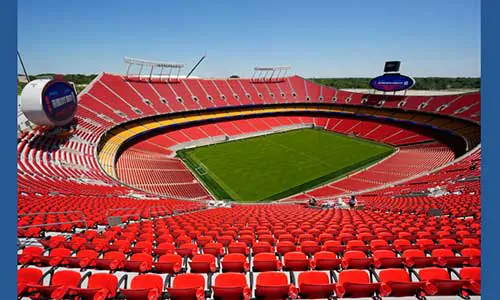
The announcement of the host cities and venues for the FIFA World Cup 2026 sparked intense debate among soccer enthusiasts worldwide. While several iconic venues secured their roles in hosting the tournament, one historic omission stood out: the legendary Rose Bowl in Pasadena, California. Historically, this venue hosted the 1994 FIFA World Cup Final, making its absence from the upcoming schedule highly noticeable. Many fans and sports analysts are asking: Why the Rose Bowl Was Not Selected for Major FIFA World Cup 2026 Matches, or indeed, any matches at all?
To understand this decision, we must analyze the evolution of modern sports infrastructure, FIFA’s strict venue guidelines, and the emergence of ultra-modern competitors in the Southern California market. Ultimately, the decision highlights a shift in what international sports governing bodies prioritize when selecting locations for global mega-events.
Table of Contents
- 1. The Historical Context: The Rose Bowl’s Legacy
- 2. Why the Rose Bowl Was Not Selected for Major FIFA World Cup 2026 Matches
- 3. Pitch Dimensions and Structural Retrofitting Challenges
- 4. Corporate Hospitality and Luxury Suites: FIFA’s Financial Engine
- 5. The Rise of SoFi Stadium: The Ultimate Competitor
- 6. Transit, Accessibility, and Modern Amenities
- 7. Head-to-Head Comparison: Rose Bowl vs. SoFi Stadium
- 8. Broader Implications for Historic American Stadiums
- 9. Frequently Asked Questions (FAQ)
1. The Historical Context: The Rose Bowl’s Legacy
The Rose Bowl is not just a stadium; it is a monument to American sporting history. Opened in 1922 and recognized as a National Historic Landmark, the stadium has hosted five Super Bowls, Olympic events, and countless high-profile college football games. For soccer fans, it represents the pinnacle of the sport’s history in the United States, serving as the battleground where Brazil defeated Italy in the historic 1994 World Cup Final shootout.
In addition to the 1994 men’s tournament, the stadium hosted the 1999 FIFA Women’s World Cup Final, cementing its status as a global soccer cathedral. Because of this rich history, many observers assumed the venue would naturally play a major role in the 2026 tournament, which is jointly hosted by the United States, Canada, and Mexico. However, romanticized history does not always align with contemporary commercial requirements.
As sports business models evolved over the past three decades, FIFA’s expectations for stadium infrastructure progressed rapidly. Consequently, reliance on historical prestige was insufficient to meet the demands of a modern, multi-billion-dollar sporting event, paving the way for newer, technologically superior options in the region.
2. Why the Rose Bowl Was Not Selected for Major FIFA World Cup 2026 Matches
To fully comprehend Why the Rose Bowl Was Not Selected for Major FIFA World Cup 2026 Matches, we must look at how FIFA evaluates prospective venues. The international governing body uses a rigorous scoring system that assesses multiple criteria, including stadium infrastructure, commercial viability, accessibility, and technological capabilities.
While the Rose Bowl boasts an impressive seating capacity of over 89,000, its age presents several challenges. The stadium lacks the physical flexibility required to quickly adapt to modern technical standards. Furthermore, FIFA requires venues to offer highly integrated digital networks, advanced broadcasting facilities, and extensive corporate hospitality zones, areas where older, historic venues often fall short without costly, complex renovations.
Additionally, local competition played a decisive role. The presence of a newly constructed, state-of-the-art facility in nearby Inglewood dramatically shifted the dynamics of the bidding process. As a result, the selection committee was presented with a stark contrast between a beloved but aging open-air bowl and a modern architectural marvel.
3. Pitch Dimensions and Structural Retrofitting Challenges
One of the primary technical explanations for Why the Rose Bowl Was Not Selected for Major FIFA World Cup 2026 Matches relates directly to the field dimensions. FIFA regulations require a pitch that is exactly 105 meters long by 68 meters wide (115 yards by 74 yards) of natural grass. While the Rose Bowl has hosted soccer matches before, its original design was optimized for American college football, which has a narrower playing field.
In order to accommodate the wider FIFA-compliant pitch, stadium operators would have needed to make significant structural adjustments. These adjustments include:
- Excavating and lowering the playing field to create wider sightlines.
- Removing several rows of historic brickwork and concrete seating near the field level.
- Modifying the surrounding retaining walls, which could threaten the stadium’s historical integrity.
These modifications are not only extremely expensive but also legally complex due to the Rose Bowl’s status as a National Historic Landmark, which restricts major alterations to its structural framework.
Moreover, modern hybrid grass systems and advanced pitch-heating and drainage technologies are difficult to install in older facilities without complete reconstruction of the stadium’s subterranean systems. Consequently, the logistical and financial hurdles associated with these modifications made other regional options significantly more attractive to organizers.
4. Corporate Hospitality and Luxury Suites: FIFA’s Financial Engine
In modern professional sports, the financial success of a tournament is heavily dependent on premium seating and corporate sponsorship activation. FIFA’s business model relies on selling high-end hospitality packages to corporate partners, international dignitaries, and wealthy supporters. This brings us to another critical reason Why the Rose Bowl Was Not Selected for Major FIFA World Cup 2026 Matches.
The Rose Bowl features a limited number of modern luxury suites. While the Terry Donahue Pavilion, completed in 2013, added premium seating, the overall ratio of luxury suites to general seating remains low compared to contemporary venues. Most of the stadium’s seating consists of traditional bench-style bleachers, which do not meet the comfort expectations of high-paying international corporate clients.
FIFA requires thousands of square meters of dedicated hospitality space directly inside or immediately adjacent to the stadium footprint. Older designs, which prioritize maximizing raw seating capacity over premium space, struggle to fulfill these demands. Without a massive increase in luxury inventory, the Rose Bowl simply could not match the revenue-generating potential of its modern counterparts.
Furthermore, the physical separation of the VIP areas from the main seating bowl in older stadiums creates logistical challenges for managing high-profile guests, VIP security, and media members. These operational difficulties weighed heavily against the Pasadena bid during the evaluation phase.
5. The Rise of SoFi Stadium: The Ultimate Competitor
The emergence of SoFi Stadium in Inglewood, California, is perhaps the single most influential factor in explaining Why the Rose Bowl Was Not Selected for Major FIFA World Cup 2026 Matches. Opened in 2020 at a cost exceeding $5 billion, SoFi Stadium was designed from the ground up to host the world’s largest sporting and entertainment events.
SoFi Stadium offers an unparalleled array of features that align with FIFA’s vision for the future of sports:
- The Infinity Screen: A dual-sided, 2.2-million-pound, 4K HDR video board that provides an immersive experience for every spectator.
- Extensive Luxury Suites: Over 260 luxury suites and 13,000 premium club seats spread across multiple levels, designed specifically to maximize corporate revenue.
- Advanced Infrastructure: A state-of-the-art translucent canopy roof that protects spectators from weather elements while maintaining an open-air feel.
Despite early concerns that SoFi Stadium’s field width would also require modifications to accommodate soccer matches, the stadium’s ownership committed to temporary seating modifications to meet FIFA pitch standards. This flexibility, combined with the venue’s massive commercial potential, made it the obvious choice for representing the Los Angeles market on the global stage.
While the Rose Bowl offers a deep connection to soccer history, SoFi Stadium represents the cutting-edge future of the sports entertainment industry. For FIFA, a brand focused on commercial growth and technological innovation, the choice between the two venues was clear.
6. Transit, Accessibility, and Modern Amenities
Beyond the stadium walls, transportation infrastructure and spectator accessibility are critical factors in the venue selection process. The Rose Bowl is situated in the residential Arroyo Seco area of Pasadena. While this setting offers a picturesque backdrop, it presents significant logistical challenges for moving tens of thousands of international visitors.
The local roadways leading to the Rose Bowl are relatively narrow, and public transit options directly to the stadium gates are limited. During major events, traffic congestion is common, and parking is often relegated to the adjacent Brookside Golf Course. This arrangement makes it difficult to implement the high-security protocols, dedicated VIP lanes, and massive shuttle operations that a FIFA World Cup requires.
In contrast, SoFi Stadium is located closer to Los Angeles International Airport (LAX) and is surrounded by major freeways, modern hotel developments, and urban transit networks. The Inglewood site was master-planned to handle large-scale crowds with minimal disruption to the surrounding residential communities.
Furthermore, modern stadium amenities such as high-density Wi-Fi connectivity, thousands of point-of-sale concession terminals, and gender-neutral restroom facilities are standard at SoFi Stadium, whereas retrofitting these systems into the century-old Rose Bowl would require substantial investments.
7. Head-to-Head Comparison: Rose Bowl vs. SoFi Stadium
The following comparison table highlights the structural and operational differences that influenced the venue selection process in Southern California:
| Feature | Rose Bowl (Pasadena) | SoFi Stadium (Inglewood) |
|---|---|---|
| Year Opened | 1922 (Historic) | 2020 (Modern) |
| Seating Capacity | ~89,702 | ~70,240 (Expandable to 100,000+) |
| Luxury Suites | Limited (Mainly in Pavilion) | 260+ High-end Suites |
| Pitch Adaptability | Difficult due to historic design | Flexible (Modifications planned) |
| Public Transit Access | Moderate (Requires shuttles) | High (Close to LAX and metro) |
| Technology Integration | Basic (Requires temporary upgrades) | State-of-the-art (Oculus screen, 5G) |
8. Broader Implications for Historic American Stadiums
The exclusion of the Rose Bowl from the 2026 World Cup is not an isolated incident; rather, it reflects a broader trend affecting historic stadiums across the United States. Iconic venues like the Rose Bowl, the Coliseum, and older NFL stadiums face uphill battles when competing for prestigious international events.
As sporting events become larger and more commercialized, the demands placed on host cities grow increasingly complex. Municipalities and venue operators must decide whether to invest hundreds of millions of public or private dollars into retrofitting older facilities or allow newer, privately funded mega-stadiums to capture these events.
For additional details on venue selection processes, you can review the official updates on FIFA’s official website or read detailed local analysis in the Los Angeles Times.
Ultimately, while the Rose Bowl may have missed out on this chapter of World Cup history, its place in soccer lore remains secure. It continues to serve as an enduring symbol of the sport’s growth in North America, even as a new generation of venues takes center stage.
What is Your Take on the Venue Selection?
Do you think FIFA should have prioritized historical heritage over modern luxury, or did they make the right decision by choosing SoFi Stadium? Share your thoughts with us in the comments section below, and subscribe to our newsletter for more deep dives into the business of sports!
9. Frequently Asked Questions (FAQ)
Did the Rose Bowl host World Cup matches in the past?
Yes, the Rose Bowl hosted several matches during the 1994 FIFA World Cup, including the highly anticipated Final between Brazil and Italy. It also hosted the 1999 FIFA Women’s World Cup Final, where the United States defeated China.
Is SoFi Stadium hosting matches for the 2026 World Cup?
Yes, SoFi Stadium was selected as one of the host venues for the FIFA World Cup 2026. It will host multiple matches, including the opening match for the United States Men’s National Team (USMNT).
Why is pitch width such an issue for the Rose Bowl?
The Rose Bowl was designed primarily for American college football, which has a narrower playing field. Widening the pitch to meet FIFA’s strict 68-meter width requirements would require removing historic stone and concrete seating rows, which is difficult due to the stadium’s historic landmark preservation status.
How does FIFA generate hospitality revenue at stadiums?
FIFA generates significant revenue by selling exclusive corporate hospitality packages, which require dedicated luxury suites, private dining areas, and high-end services. Stadiums with a high volume of modern luxury suites, like SoFi Stadium, are much better positioned to generate this revenue than older stadiums.
Is the Rose Bowl still used for soccer today?
Yes, the Rose Bowl still hosts occasional international club friendlies, exhibition matches, and regional tournaments like the CONCACAF Gold Cup. However, it is no longer the primary venue for major FIFA tournament finals in the Southern California region.
Can historic stadiums be retrofitted for modern World Cups?
While retrofitting is possible, it is often financially prohibitive and structurally complex, especially for facilities designated as National Historic Landmarks. Operators must balance the cost of these upgrades against the expected long-term economic return.